Agriculture in Senegal: value chains, crops and climate challenges in 2026
Agriculture remains at the heart of Senegal’s economy and society. It accounted for about 15% of gross domestic product in 2023 according to the Direction de la Prévision et des Études Économiques (DPEE), employs 22 to 27% of the working population (ANSD, 2021; AfDB, 2018), absorbs 65% of the rural workforce and provides income for 95% of rural households (ISRA). This article gives a complete overview of the sector: key figures, agro-ecological zones, main crops, climate constraints and modernisation policies.
Economic weight and social role of agriculture
In 2023, Senegal’s primary sector grew by +7.7%, single-handedly driving most of the national growth of 4.3%, after 3.8% in 2022 (ANSD, Q4 2023 Note). Agriculture in the strict sense grew by +3.8%. This strong performance reflects favourable rainfall and an increase in planted area, particularly for rainfed crops.
Beyond the macroeconomic figures, agriculture plays an irreplaceable social role. It is the main activity of half of Senegalese households and the largest source of rural income. The share of agricultural employment has nonetheless declined, from 66% in 1990 to 23% in 2018 according to the African Development Bank, driven by urbanisation, the migration of labour towards urban services and the diversification of local economies.
Five agro-ecological zones
Senegal is organised into five major agro-ecological zones, each with a distinct farming profile.
The groundnut basin, split between the North (Thiès, Diourbel, part of Louga) and the South (Fatick, Kaolack, Kaffrine), has historically concentrated groundnut, millet and sorghum production. It has suffered several decades of soil degradation and recurrent droughts.
The Senegal River valley (Saint-Louis, Matam, part of Tambacounda) is the heart of irrigated rice farming, with developed schemes around the Diama and Manantali dams. It carries the country’s ambition of rice self-sufficiency.
Casamance (Ziguinchor, Sédhiou, Kolda) receives the highest rainfall in the country. It practises diversified agriculture: upland rice, fruit tree crops (mango, citrus), market gardening, groundnut, and cotton in its upper part.
Eastern Senegal (Tambacounda, Kédougou) specialises in cotton, rainfed cereals and, increasingly, cashew.
The Niayes zone, a coastal strip north of Dakar, is the country’s vegetable and horticultural engine. It supplies urban markets and exports (green beans, cherry tomatoes, mango).
The main crops
Groundnut, the dominant historical crop
Groundnut remains the leading cash crop and occupies about 40% of cultivated land. Seven out of ten Senegalese farmers grow it, and one third of the population lives directly or indirectly from the value chain (Ministry of Agriculture, value chain fact sheet). It is also one of the country’s leading export products. The value chain is nevertheless under strain: less than 250,000 tonnes per year have been crushed over the past ten years, against an industrial capacity of 600,000 tonnes.
Cereals: millet, sorghum, rice and maize
Millet remains the main traditional cereal of the groundnut basin; its production jumped by +23% in 2023 thanks to favourable rains (Forbes Afrique, 2024). Sorghum completes the cereal picture in the drier areas.
Rice is now the main cereal consumed in cities. National production, driven by the irrigated schemes of the Senegal River valley, still falls short of demand: the country continues to import a significant share of its consumption. The national rice self-sufficiency strategy relies on irrigation, mechanisation and varietal improvement.
Maize is expanding in the South and in Eastern Senegal, particularly in rotation with cotton.
Fonio is enjoying renewed interest: its production grew by +41% in 2023 to 2024 to reach 9,382 tonnes, driven by urban and export demand for this gluten-free superfood.
Horticulture and export crops
The horticultural value chain (mango, green beans, cherry tomatoes, onion, watermelon) has developed in the Niayes zone and in Casamance. It benefits from the European off-season and positions Senegal among the African suppliers of fresh fruit and vegetables to the European Union.
Cotton remains concentrated in the South (upper Casamance, Eastern Senegal), with SODEFITEX as the historical operator.
Structural challenges
Five major constraints weigh on Senegalese agriculture today.
1. Extreme climate vulnerability. Senegal ranks among the four countries in the world most vulnerable to climate change according to the World Bank. Extreme events linked to water and pollution cost more than 10% of GDP every year. Drought periods since 2019 have severely affected rainfed yields.
2. Low productivity. Average yields remain well below West African regional standards for most food crops. Limited mechanisation, the degraded soils of the groundnut basin and the under-use of fertilisers and improved seed explain this gap.
3. Dependence on food imports. Rice, wheat, vegetable oil: agri-food imports weigh heavily on the trade balance and expose urban consumers to global price shocks.
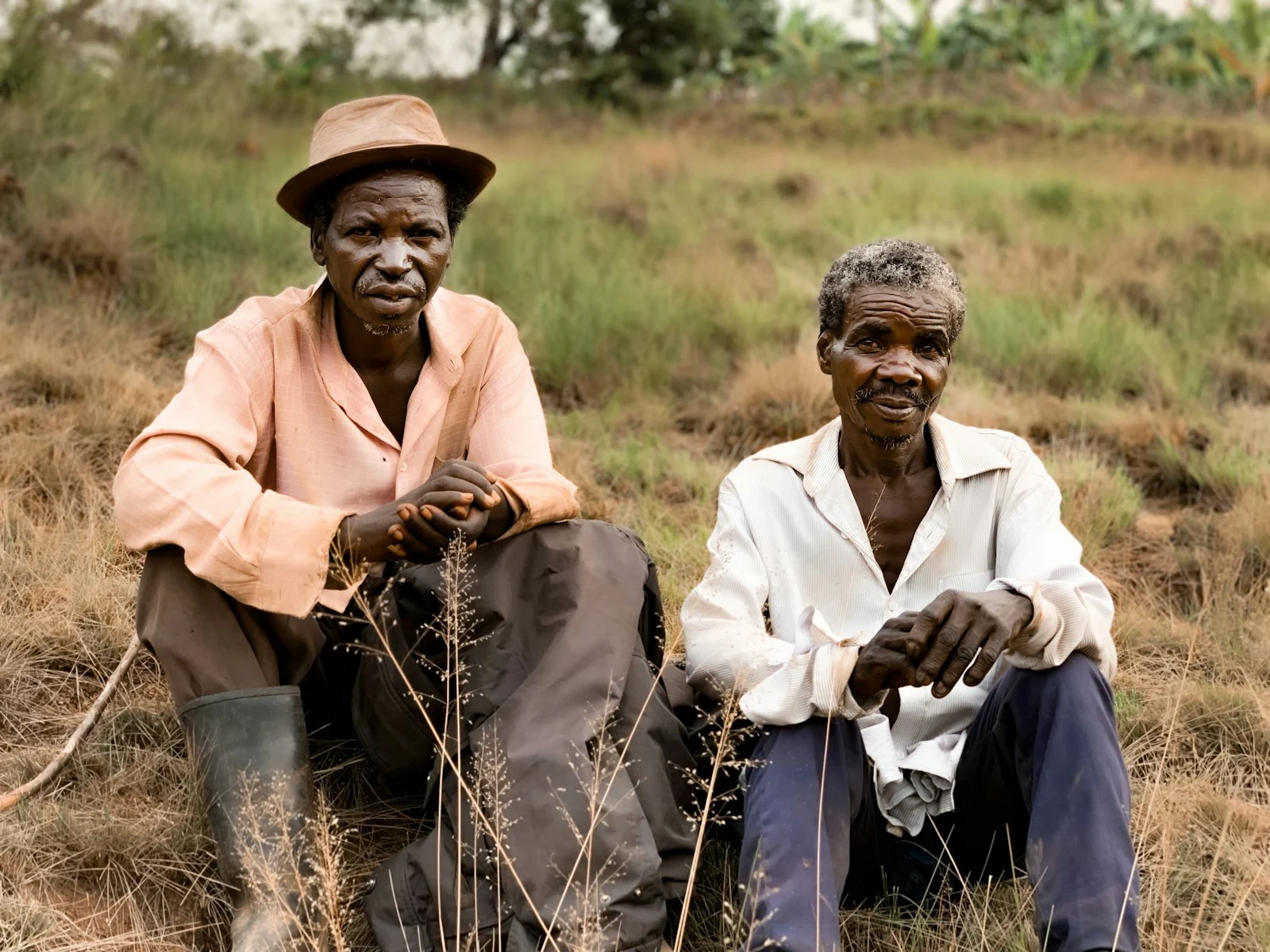
4. Fragile family farming systems. Senegalese agriculture is overwhelmingly family-based. More than half of rural people, mainly smallholder farmers, live below the poverty line and 30% are affected by food insecurity.
5. Land pressure and migration. Rapid urbanisation, soil salinisation in coastal areas, desert encroachment in the Ferlo and the migration of young people to urban centres are weakening the production base.
Modernisation and agricultural policy
Agriculture has been a stated priority since President Bassirou Diomaye Faye took office in April 2024. The main pillars of agricultural policy in 2026 are:
- Rice self-sufficiency, through the expansion of irrigated schemes in the Senegal River valley and post-harvest mechanisation (rice mills, hullers).
- Strengthening horticultural value chains for urban food security and off-season exports.
- Revitalising the groundnut value chain, with improved local crushing.
- Adapting to climate change: short-cycle varieties, drip irrigation, agroforestry, soil regeneration.
- Supporting family farming through access to subsidised inputs and the gradual modernisation of farms.
Where to focus investment to raise productivity
Three levers currently offer the best return on investment on Senegalese farms.
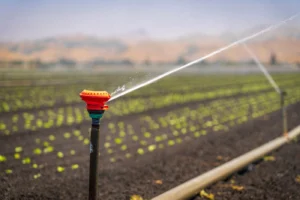
Water management. In one of the countries most vulnerable to climate change, water management is the first driver of resilience. Drip irrigation cuts water use by 30 to 50% compared with surface irrigation, while improving the precision of fertilisation. It is particularly well suited to market gardening in the Niayes, export horticulture and fruit tree crops. To understand costs, installation and the best-suited crops, see our guide to the drip irrigation system and our irrigation and pumping offer.
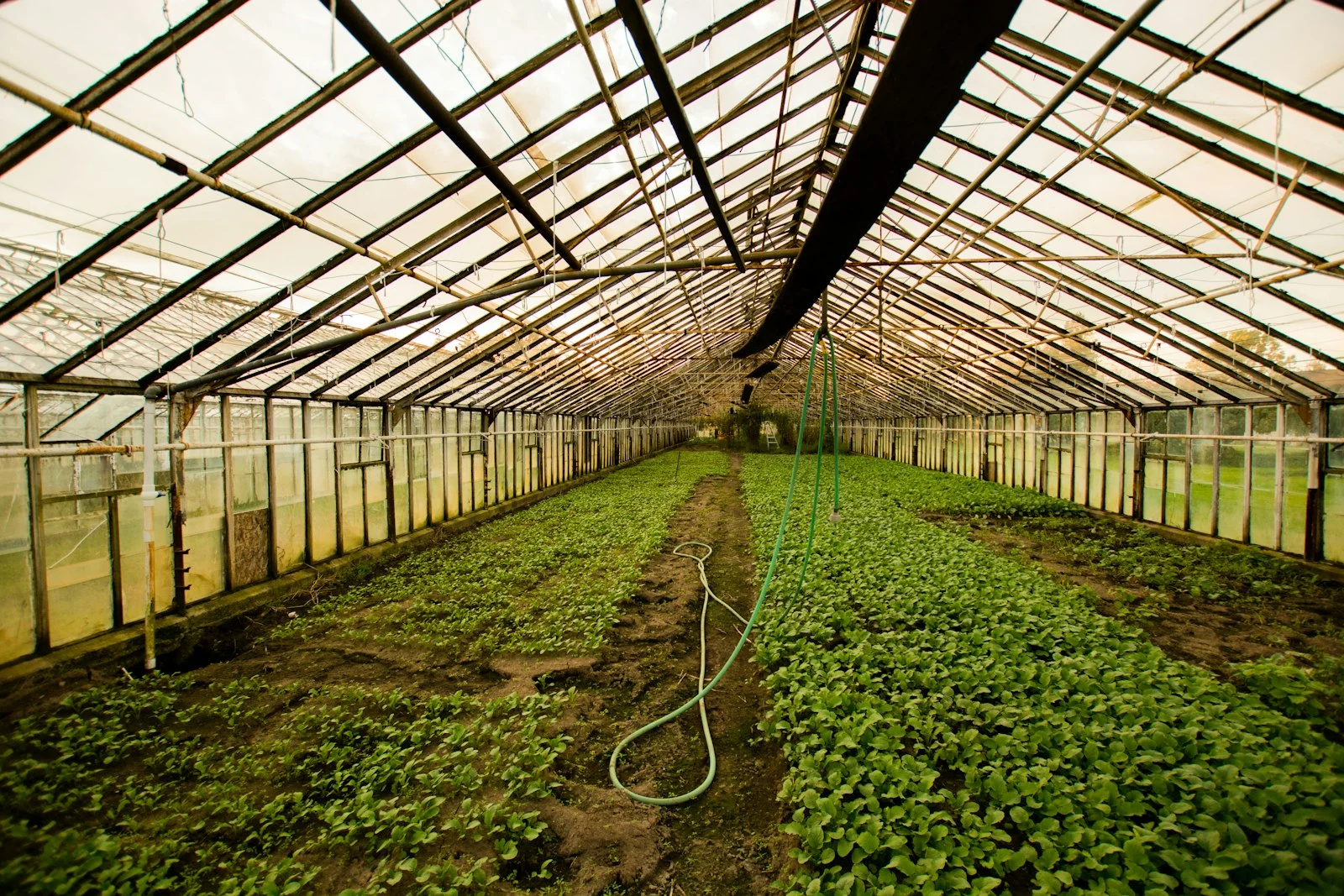
Protected cultivation. Vegetable growing in an agricultural greenhouse extends production cycles, reduces pest pressure and secures off-season yields, with productivity gains of 3 to 10 times over open-field production depending on the crop.
Plant nutrition and crop protection. Balanced fertilisation combined with integrated pest management (resistant varieties, biocontrol, targeted treatments) remains the most profitable lever for closing the yield gap on millet, rice, groundnut and vegetable crops.
Outlook for 2026
The combination of potentially volatile rainfall, a structural rise in urban food demand and political commitment to food sovereignty creates a favourable environment for structured agricultural investment. The farms that are succeeding in the transition today are those that base their investments on a prior agronomic study, rigorous irrigation sizing and a marketing plan.
For project promoters, working with an operator able to design and deliver turnkey agricultural projects, from site study to production start-up, is the quickest way to secure an investment in the Senegalese context.
For a comparative regional overview, see our article Agriculture in Cameroon, Senegal and Côte d’Ivoire.
FAQ
What types of agriculture are practised in Senegal?
Senegal mainly combines four types of agriculture: rainfed family farming (groundnut, millet, sorghum) in the groundnut basin; irrigated rice farming in the Senegal River valley; market gardening and export horticulture in the Niayes; and diversified rainfed agriculture in Casamance.
What are the problems facing agriculture in Senegal?
Five main problems: climate vulnerability (the country loses more than 10% of its GDP each year to extreme events according to the World Bank), low productivity, dependence on food imports (rice, wheat, oil), the fragility of family farms and soil degradation in the groundnut basin.
What is Senegal’s main agricultural product?
Groundnut remains the country’s leading agricultural product by value and by area: it occupies about 40% of cultivated land, involves seven out of ten farmers and provides income for one third of the Senegalese population. It is also the leading export product after fisheries.
What are the main crops grown in Senegal?
The main crops are groundnut (the historical cash crop), millet and sorghum (traditional cereals), rice (the main cereal consumed, grown under irrigation), maize, fast-growing fonio, cotton in the South, as well as dynamic horticulture (mango, green beans, tomato, onion) in the Niayes and in Casamance.
How important is agriculture to the Senegalese economy?
Agriculture represents about 15% of GDP in 2023 (DPEE) and employs 22 to 27% of the working population (ANSD, 2021; AfDB). It absorbs 65% of the rural workforce and provides income for 95% of rural households according to ISRA.
What solutions can modernise Senegalese agriculture?
The priority levers are: water management (drip irrigation, irrigated schemes), protected cultivation for horticulture, varietal improvement (short-cycle varieties adapted to climate change), balanced fertilisation, integrated crop protection and mechanisation adapted to family farms. Support from an operator specialising in agricultural consulting and engineering speeds up implementation.
Sources
- ANSD, Note d’analyse T4 2023.
- ANSD, Chapitre 10 : Agriculture, Rapport RGPH5, July 2024.
- Direction de la Prévision et des Études Économiques (DPEE), 2023 data.
- ISRA, Enjeux et défis.
- FAO, Le secteur agricole sénégalais et la durabilité.
- World Bank, data on Senegal’s climate vulnerability.
- African Development Bank (AfDB), 2018 agricultural employment data.
- Ministère de l’Agriculture (France), Fiche filière arachide Sénégal.
- Forbes Afrique, « Agriculture : Moteur de la Croissance », February 2025.
- Agence Ecofin, cereal production 2023 to 2024.
- Wikipedia, Agriculture au Sénégal, March 2026.