Fruit Farming: Avocado, Banana, Papaya, Cashew and Guava

Practical guides for African growers

Fruit farming is a long-term investment that can bring steady income to African growers when the orchard is planned well from day one. In this category, JOGOO covers avocado farming, banana farming, papaya, cashew and guava: choosing grafted or certified planting material, spacing and orchard layout, irrigation and fertilization of young trees, and the care that keeps orchards productive for many years.

Our fruit farming guides

Equipment, inputs or technical support for this topic: see our solution Agricultural Supplies & Inputs.

Request a quote

Frequently asked questions

How long does it take an avocado tree to bear fruit?

A grafted avocado tree usually starts bearing fruit about three to four years after planting, while a tree grown from seed can take much longer, often five years or more, and gives unpredictable fruit quality. To get earlier and more uniform harvests, plant grafted trees of a known variety, such as Hass, from a reliable nursery, and give young trees regular water and balanced nutrition.

How do you start a papaya farm?

Choose a sunny, well-drained site, since papaya does not tolerate waterlogging. Raise seedlings from quality seed of a proven variety in a nursery, then transplant them to the field with enough spacing for air flow. Apply organic matter and regular fertilizer, irrigate during dry periods, and control weeds. Papaya grows quickly and begins fruiting within its first year under good care.

Is cashew farming profitable in Africa?

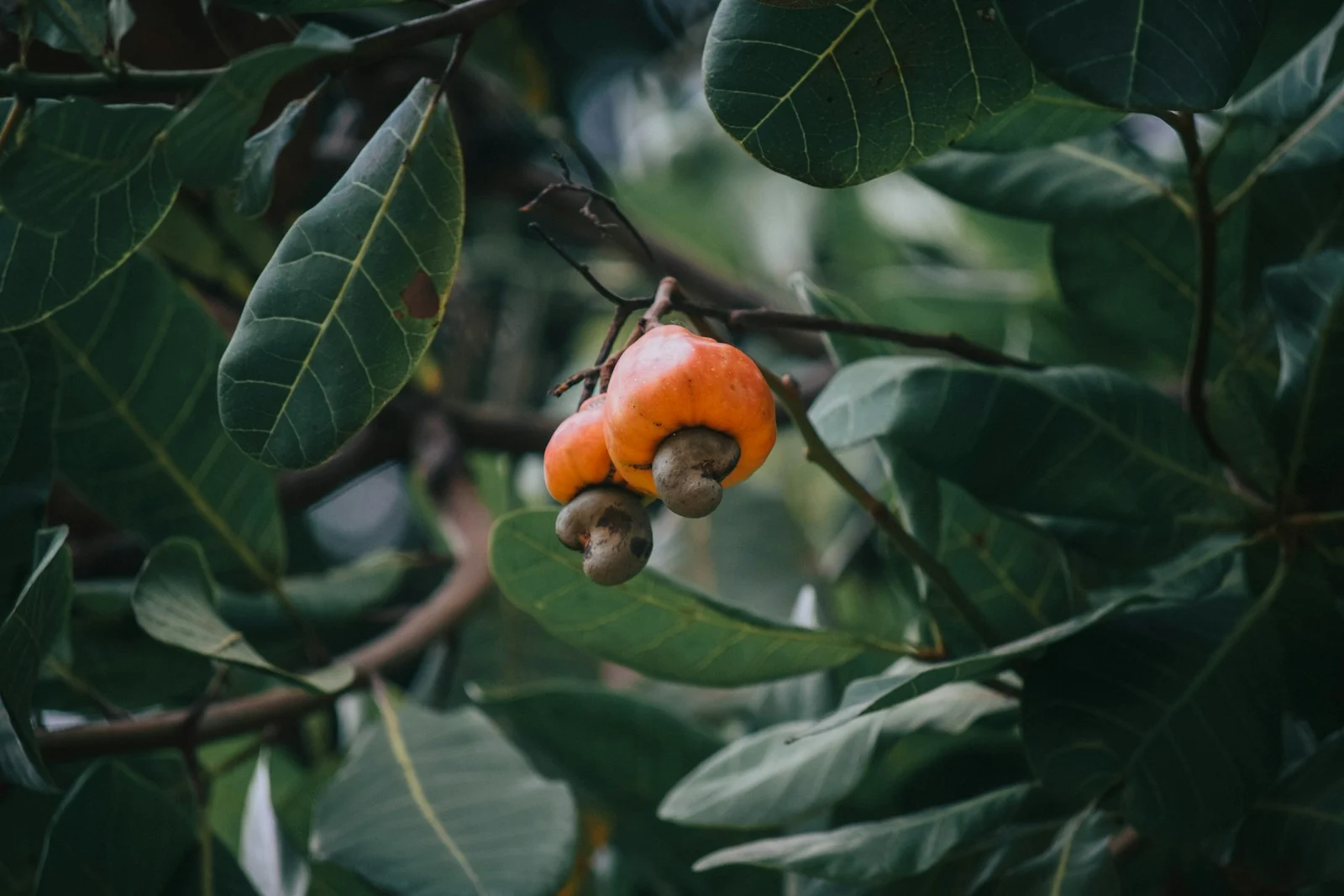
Cashew can be profitable in the drier savanna zones of Africa because the tree tolerates poor soils and long dry seasons, and raw cashew nuts have an established export market. Returns depend on using improved, grafted planting material, proper spacing, pruning and pest control. Trees take a few years to reach good production, so plan for that period with intercrops or other income.