
Greenhouses & Hydroponics
Wet foliage in the morning points to air that was not exchanged in late afternoon, not to a disease. The 70 and 85 percent humidity

Wet foliage in the morning points to air that was not exchanged in late afternoon, not to a disease. The 70 and 85 percent humidity
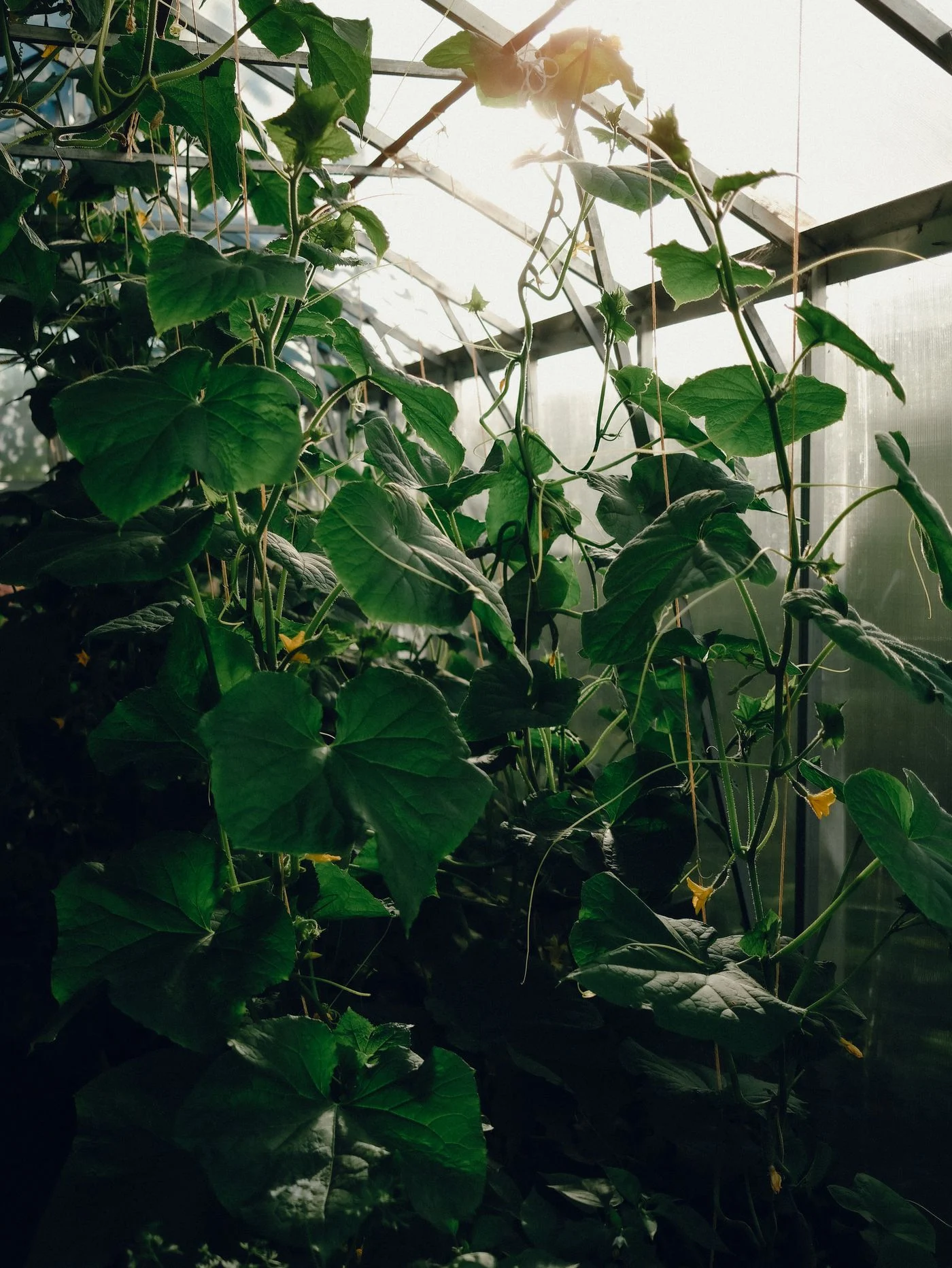
An ideal substrate exceeds 85 percent total pore space. Porosity, pH, bulk density and volume per plant for coir, rice husk ash and sand, based
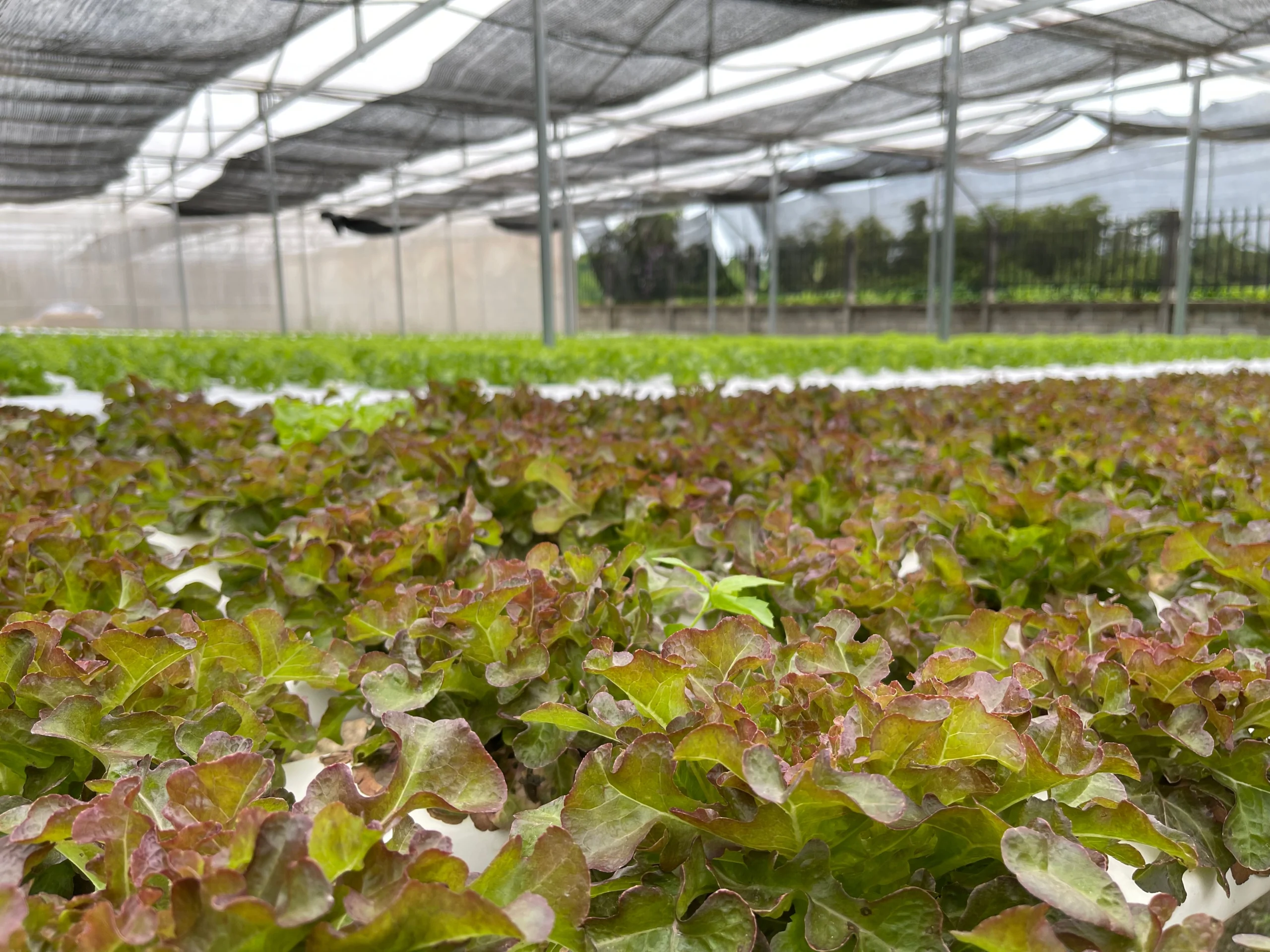
Lettuce grows between 15 and 20 °C and bolts around 29 °C. The shade rate to pick, how to put the structure up, tray management
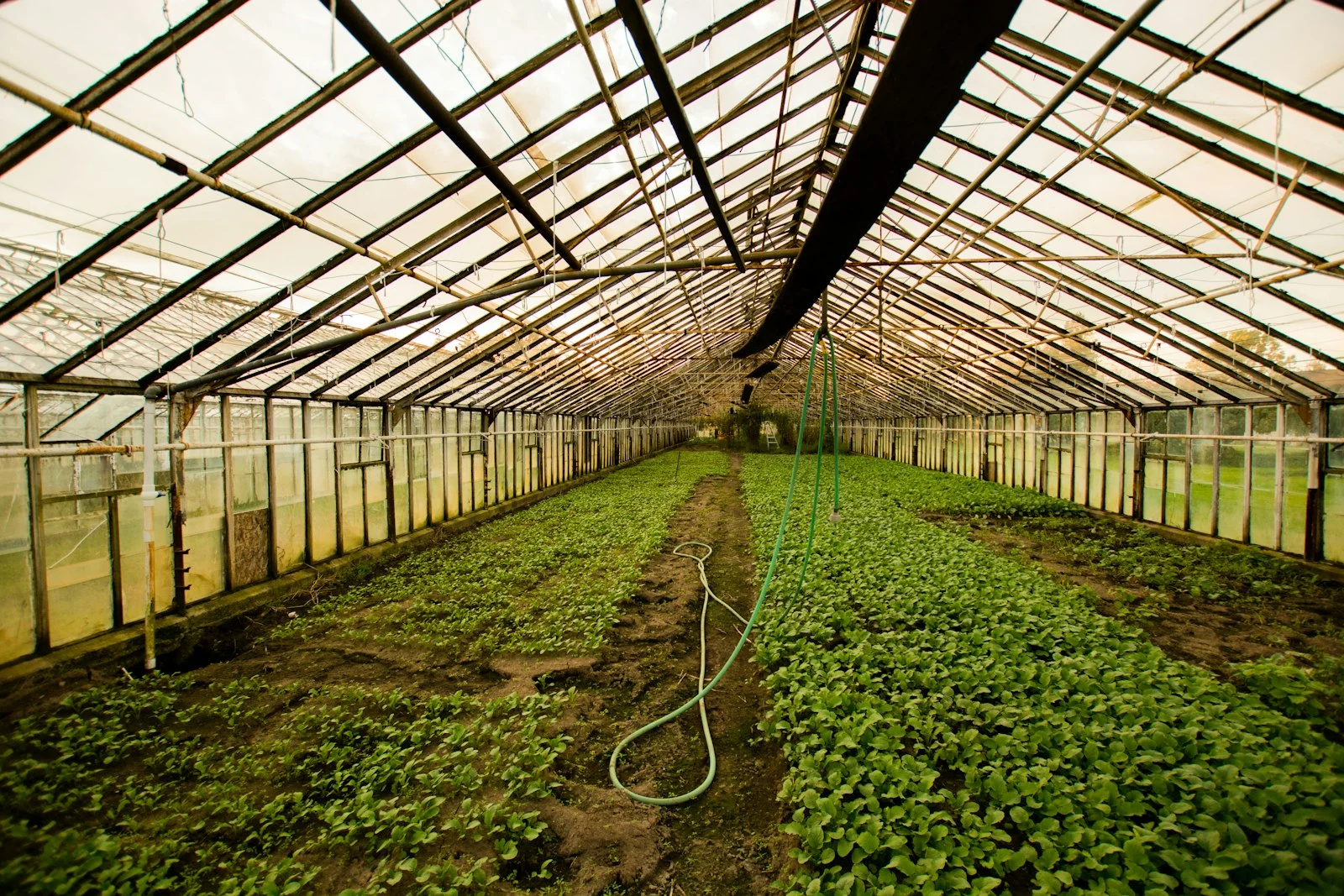
Substrate, electrical conductivity, pH, drainage and yield for soilless tomatoes under cover, based on the CIRAD guide from La Réunion, Ohio State University fact sheet
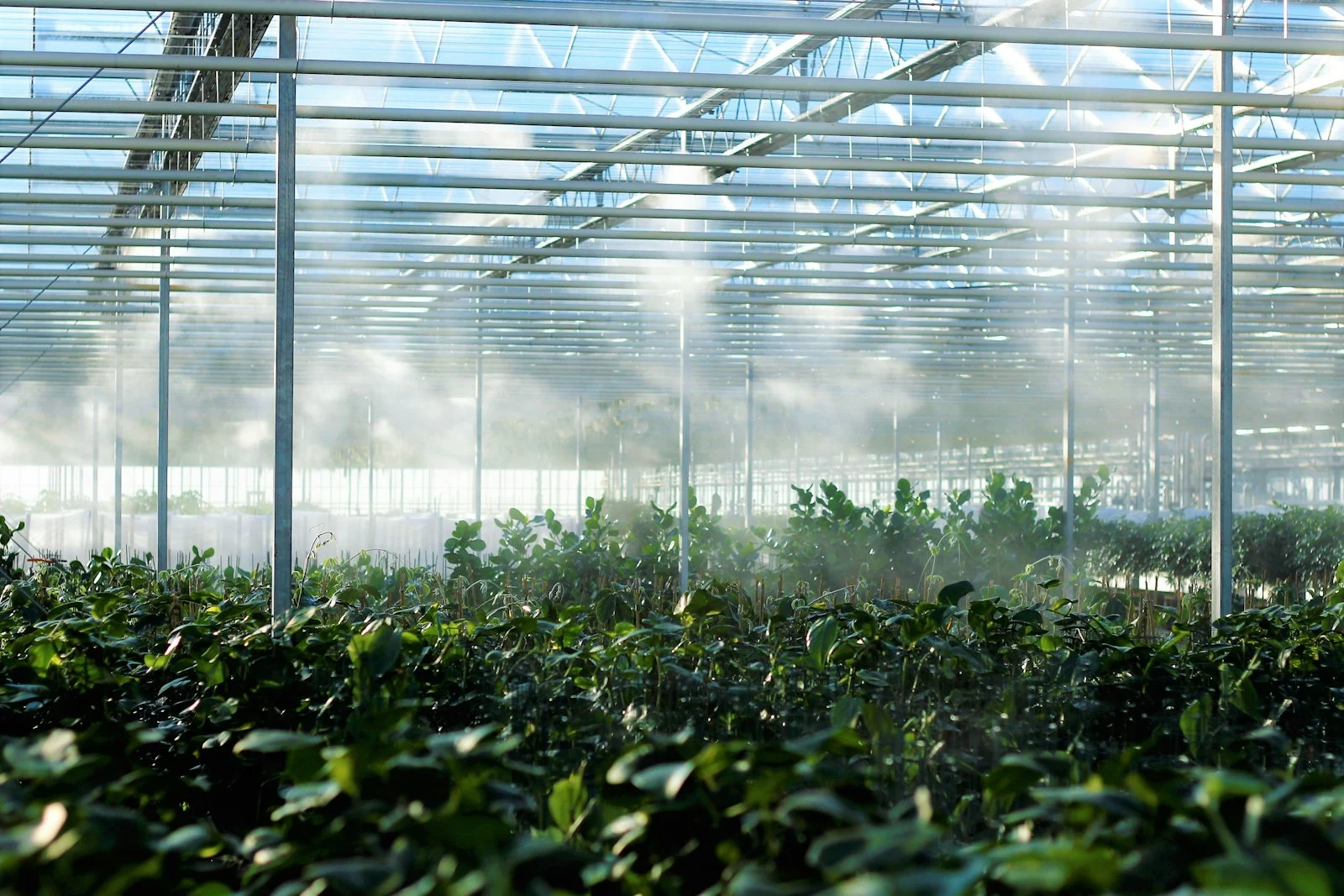
In a tropical climate, an agricultural greenhouse is there to ventilate and keep insects out, not to add heat. Structure types, design rules in figures
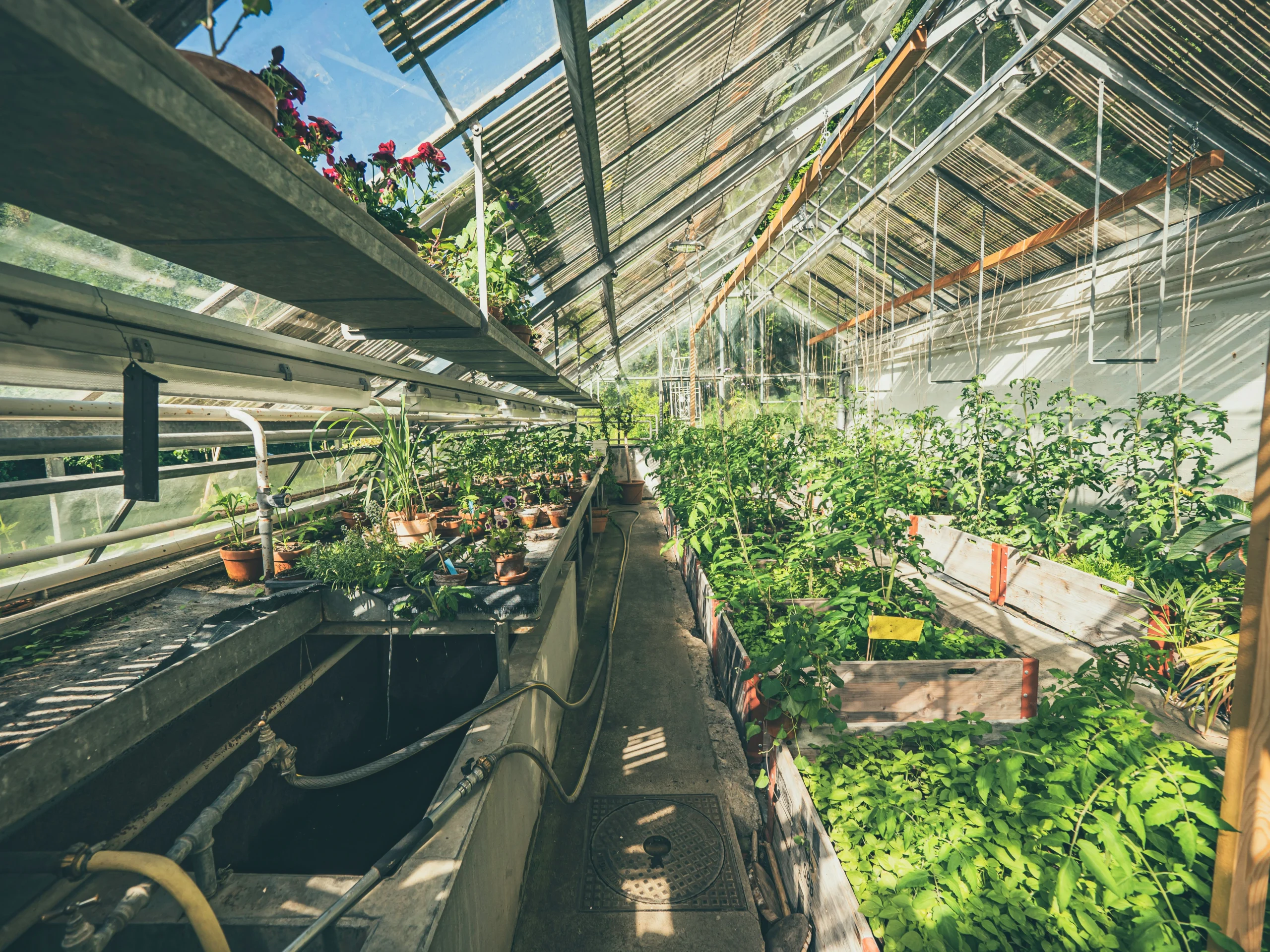
Soilless farming and hydroponics in Africa: systems (NFT, drip, DWC, aeroponics), suitable crops (tomato, lettuce, sweet pepper), set-up costs per 1,000 m² and the conditions