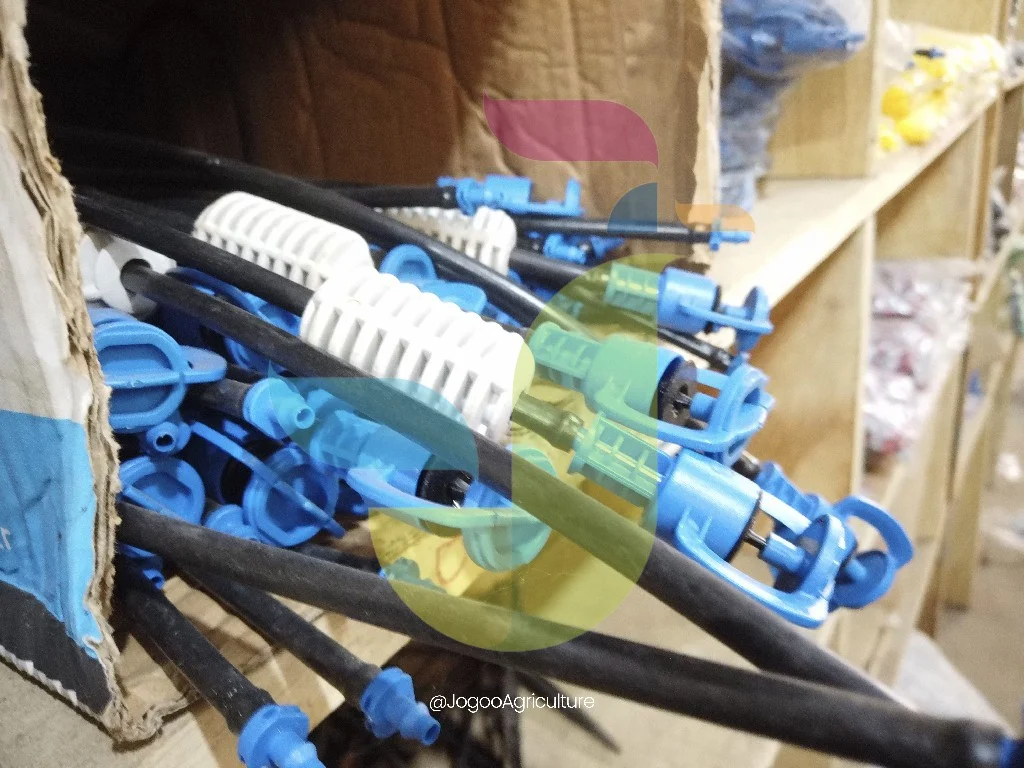
Irrigation
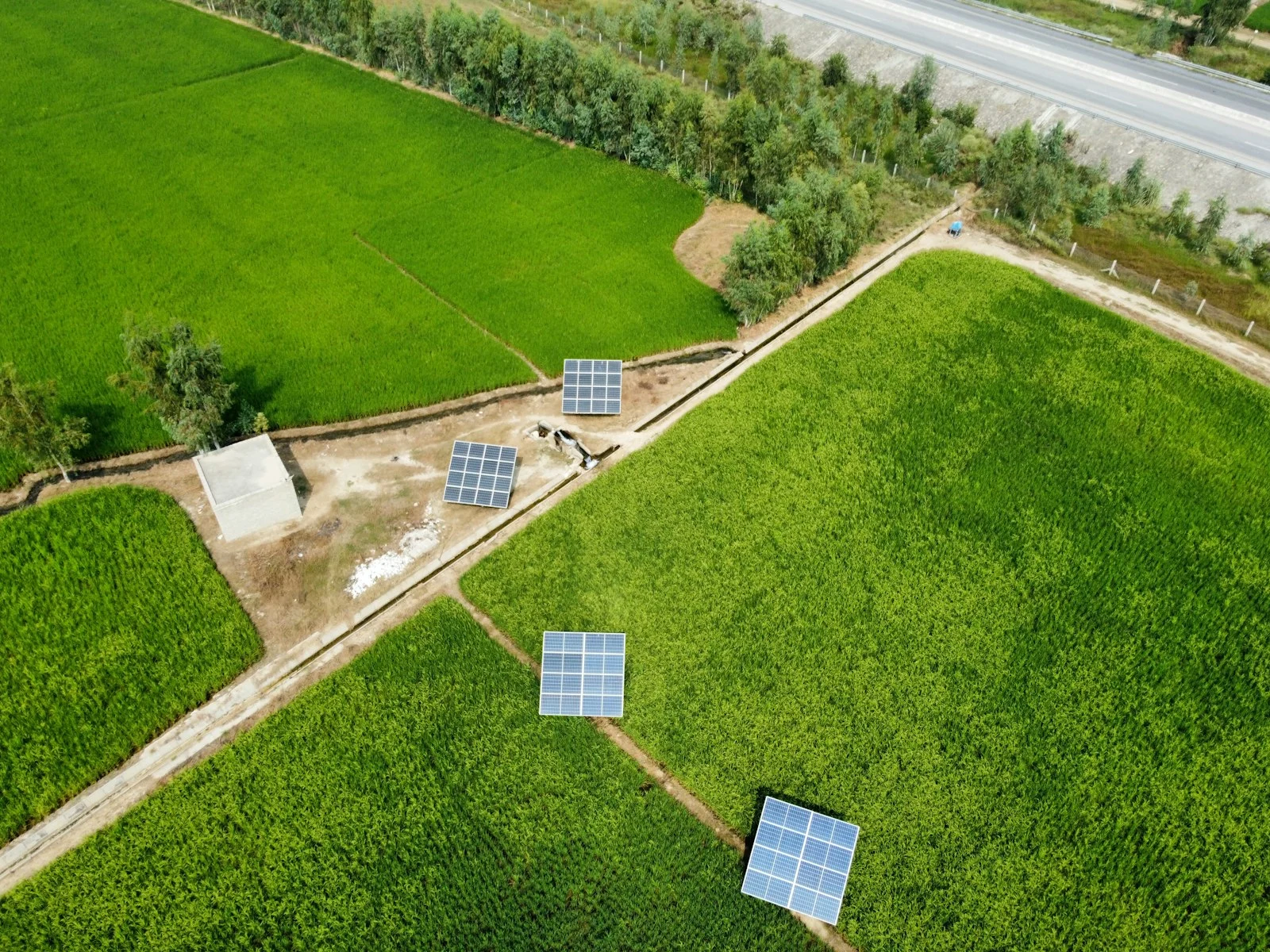
A solar plant monitored in western Senegal lost 0,34 % of its output per day of soiling, and up to 0,49 % per day at

A solar plant monitored in western Senegal lost 0,34 % of its output per day of soiling, and up to 0,49 % per day at
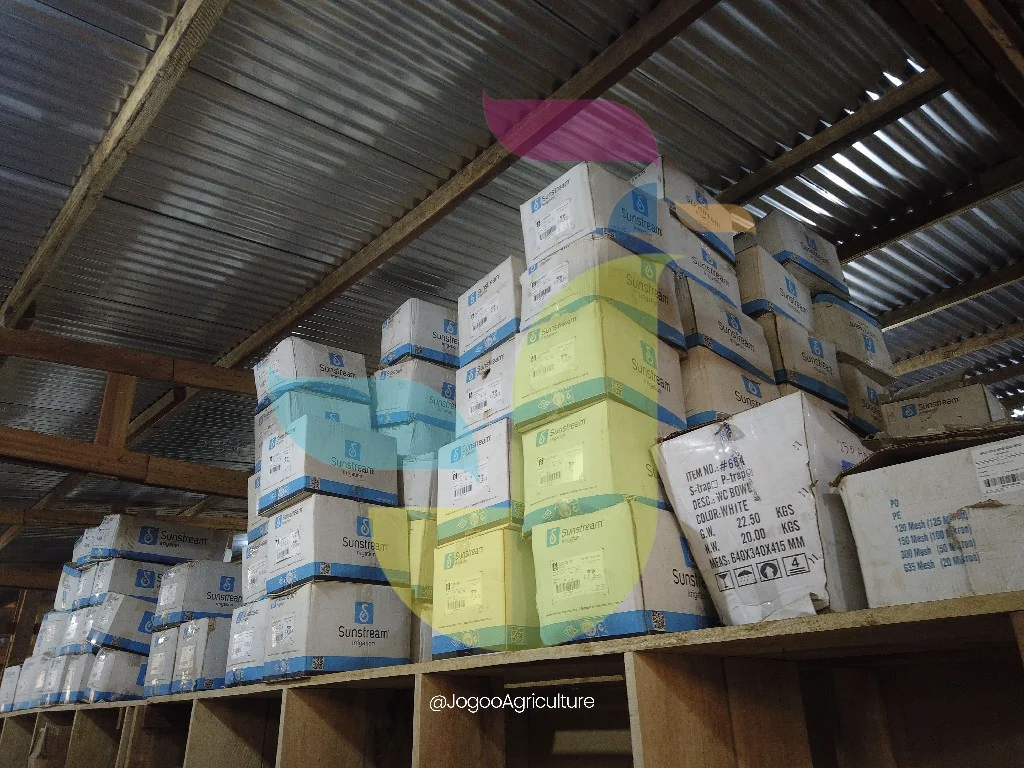
Before a single pipe is chosen for a pineapple plot, the field has to give up its figures: source flow, water quality, soil texture and
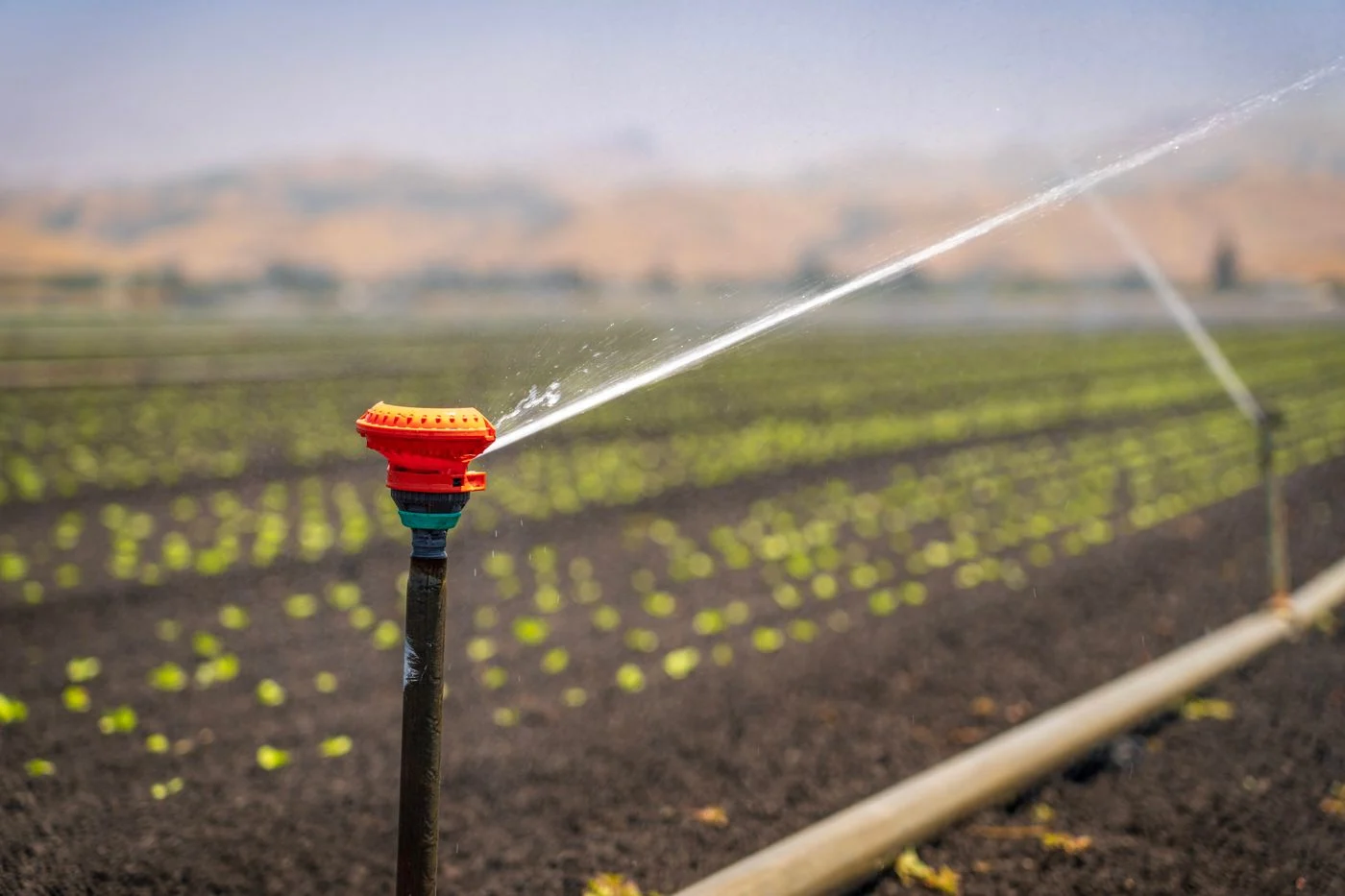
Sprinkler spacing must not exceed 65 percent of the wetted diameter in light wind, and drops to 50 percent in strong wind. Measuring the diameter
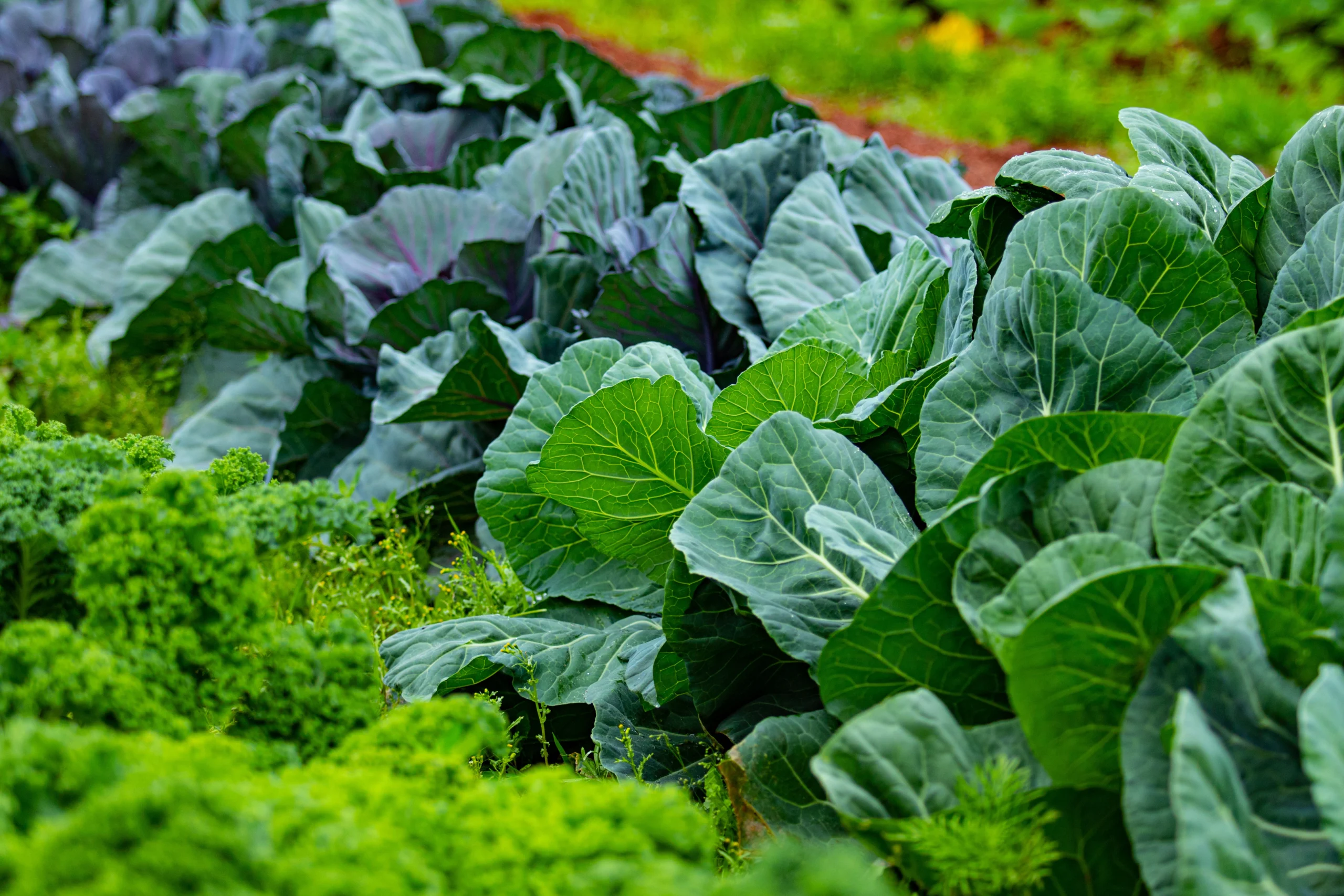
Mulch laid on dry, poorly weeded soil achieves nothing. Thickness of 7 to 10 cm, choice of material, step by step laying and the effects
One hectare of dry-season onion needs 428 mm, or 5,000 to 7,000 m3 per hectare according to CGER-Vallée, with a peak of 6 mm per
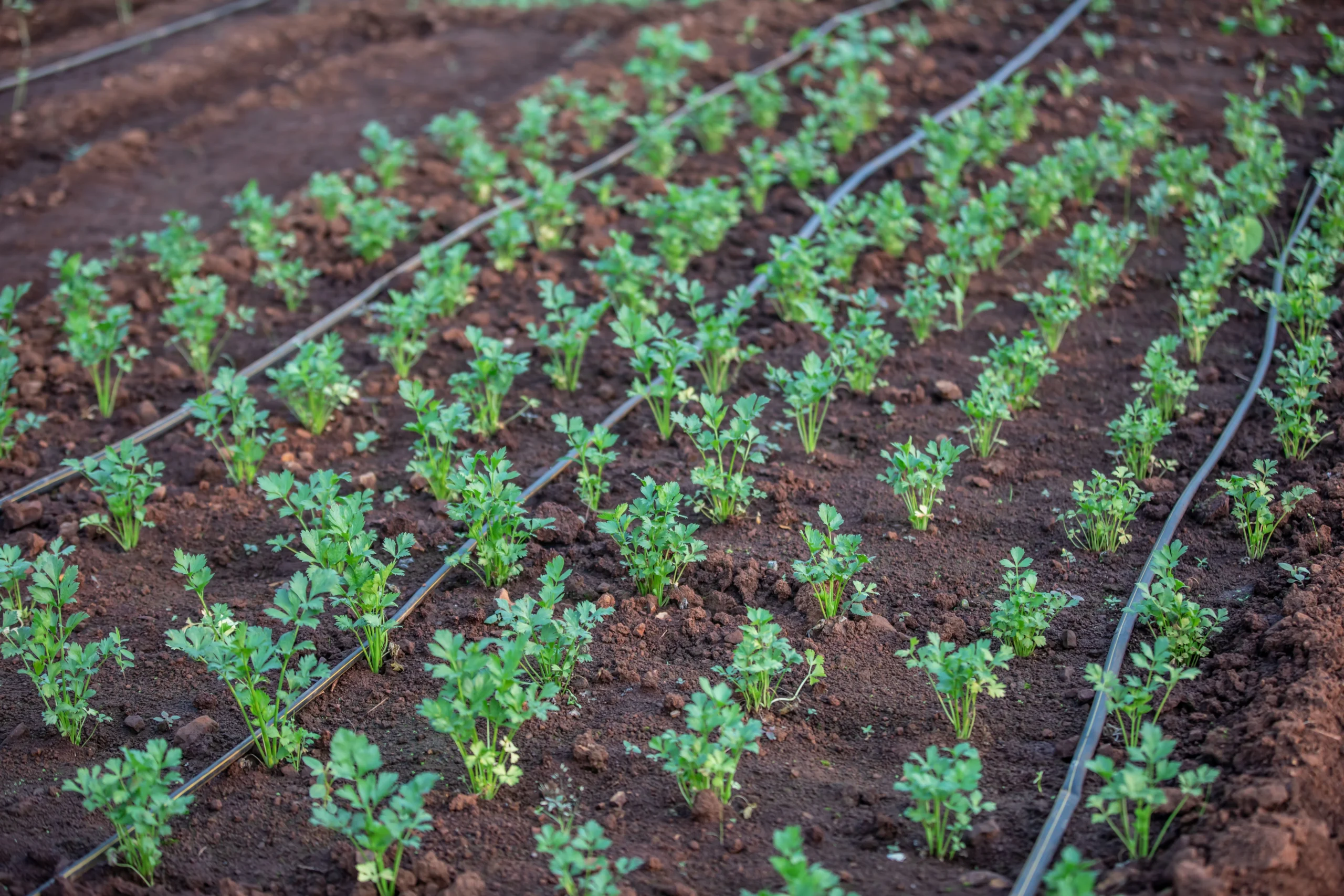
Ginger needs 1,300 to 1,500 mm over the cycle according to ICAR-IISR, with roots limited to 30 cm. Laying laterals on 1 m beds, emitter
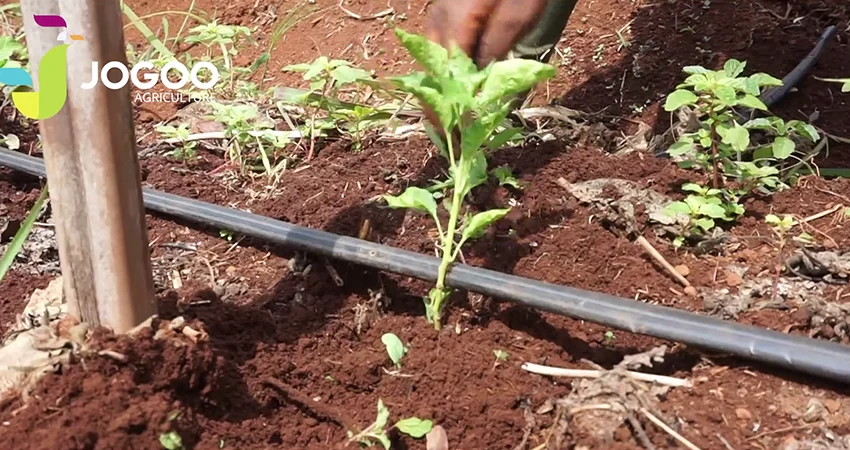
Drip irrigation costs about USD 1,200 to 2,800 per hectare. Learn how to size and install a system in Africa and which crops pay it back fastest.