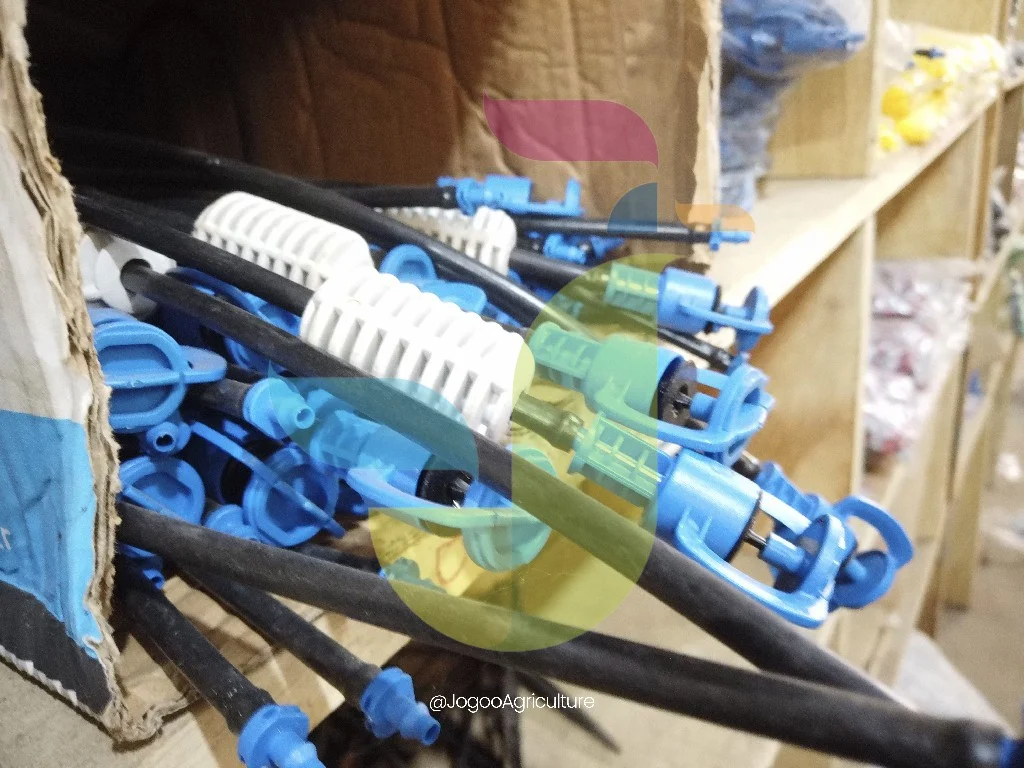
Irrigation
A solar plant monitored in western Senegal lost 0,34 % of its output per day of soiling, and up to 0,49 % per day at

A solar plant monitored in western Senegal lost 0,34 % of its output per day of soiling, and up to 0,49 % per day at
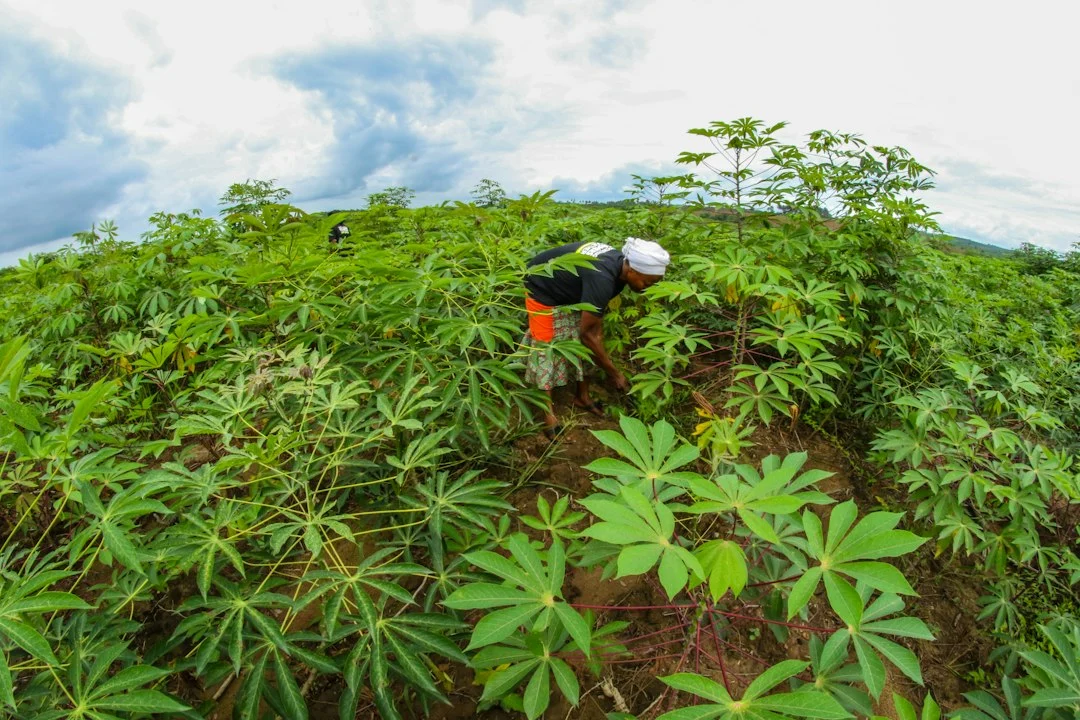
10,000 cassava cuttings per hectare on poor soil, 12,500 on average soil, 15,625 on fertile soil. Cutting length and node count, choosing clean planting material,
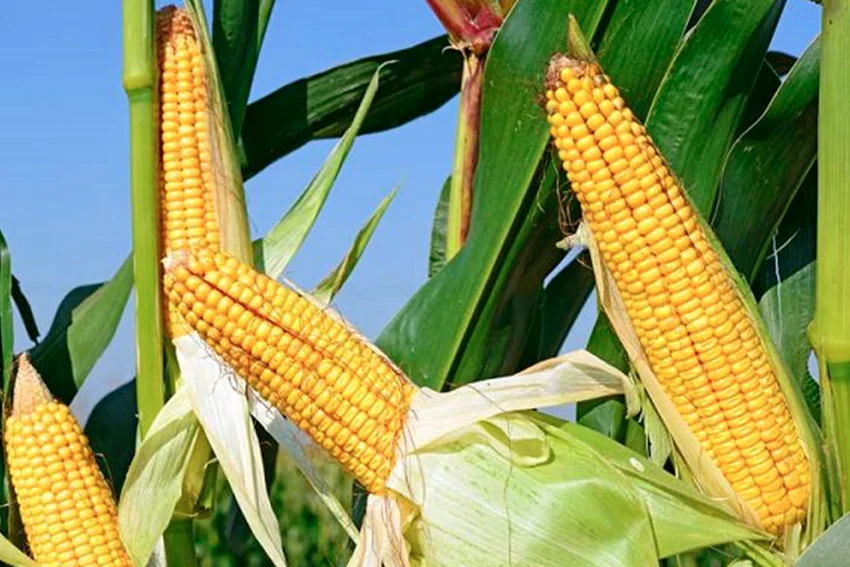
Maize is grown in 7 stages: soil, sowing, basal fertiliser, weeding, urea top-dressing, fall armyworm control and harvest. Yields of 1 to 8 t/ha by management.

What cassava flour is, how it is produced, how to bake with it, and how long it lasts: storage, shelf life and the signs it has gone off after opening.
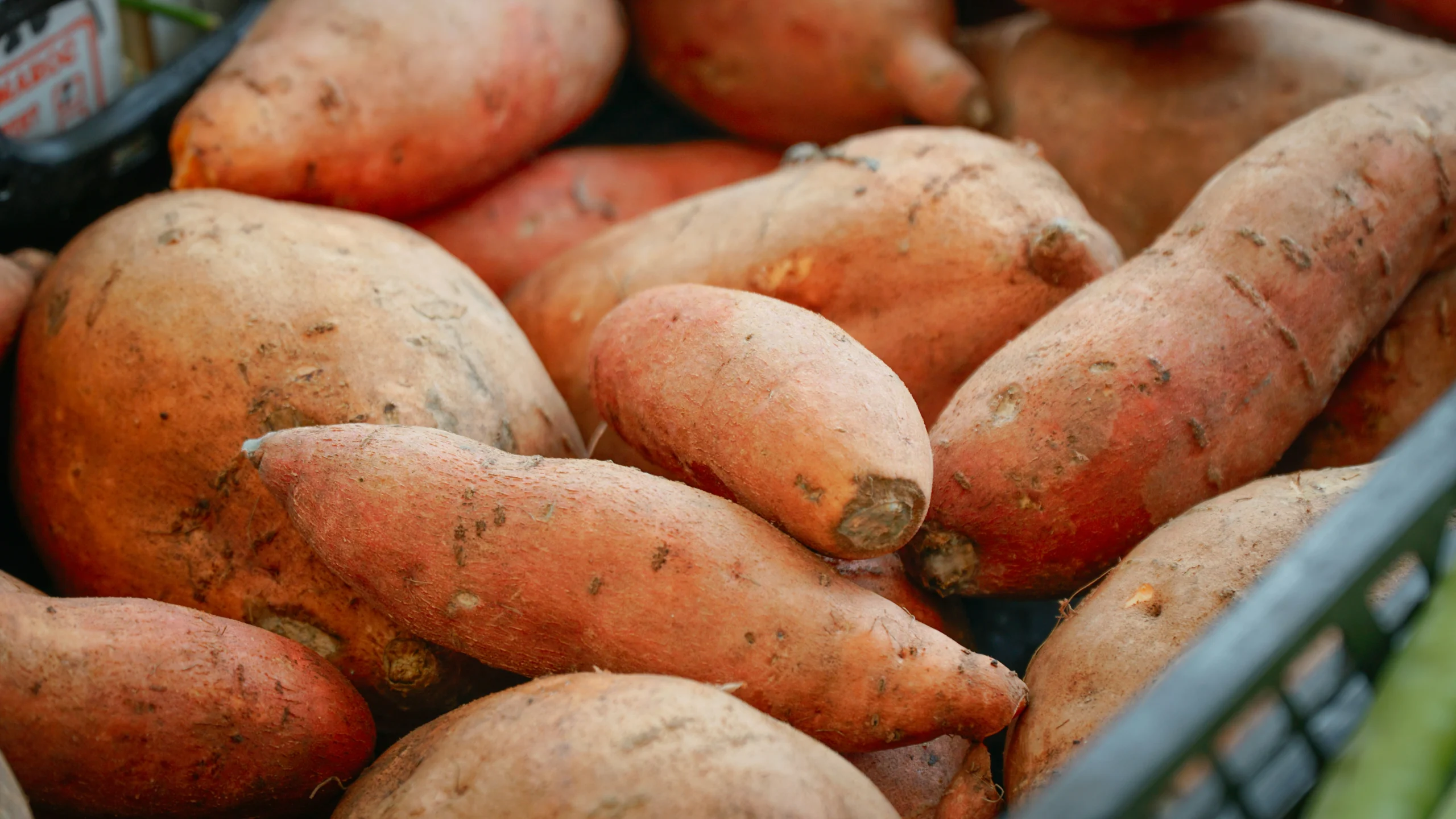
How long sweet potatoes take to mature, how to prepare slips, spacing, watering and curing after harvest, with timings for tropical growing seasons.
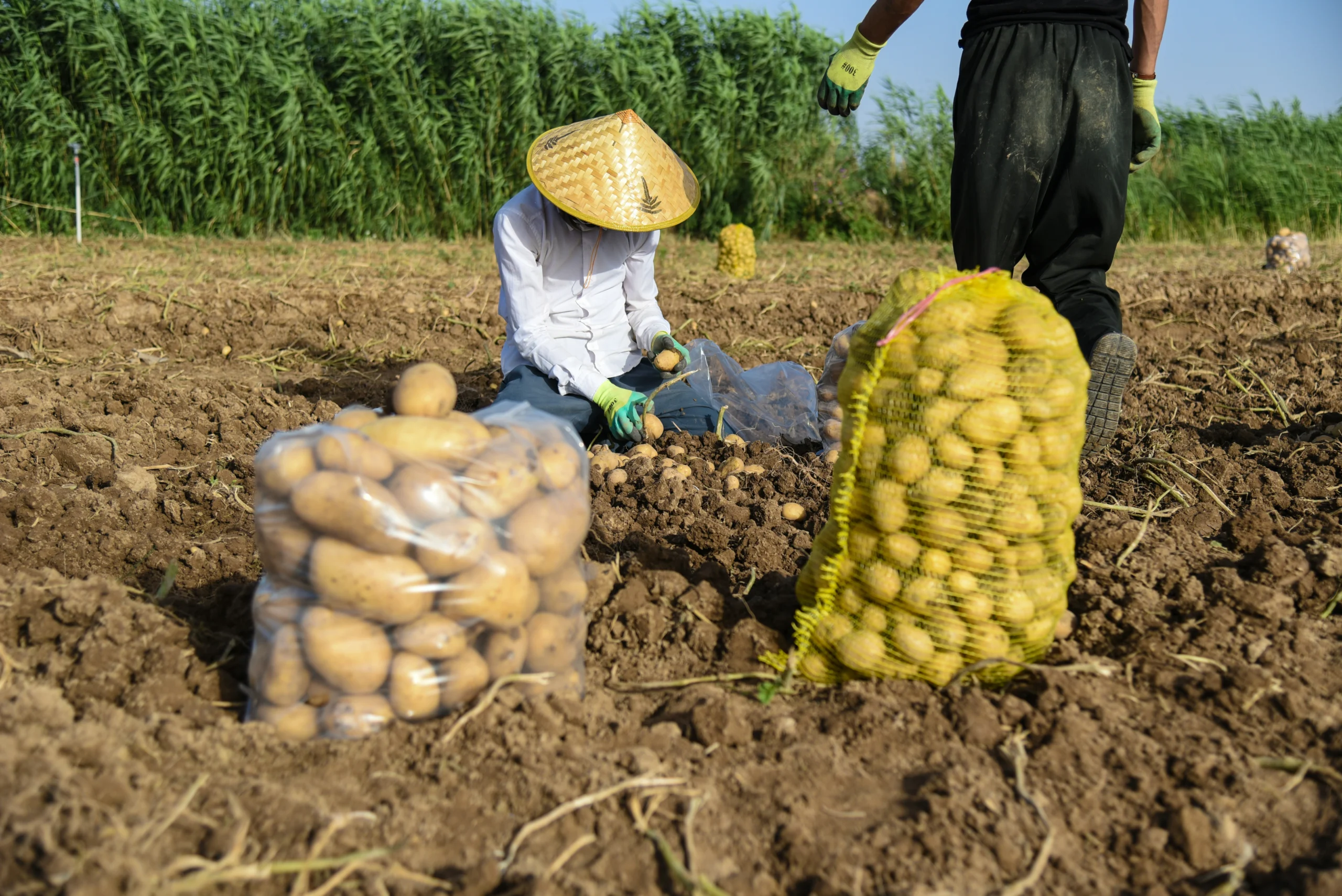
In Cameroon, potatoes are planted in February and March in humid regions and in April and May in Sahelian zones, above 1,200 m. MINADER varieties,
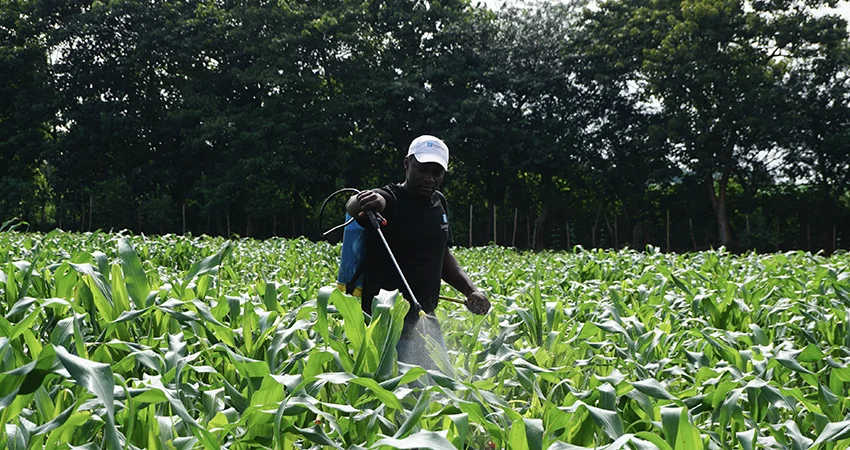
Control fall armyworm in maize with a four-pillar IPM plan: prevention, pheromone traps, FAO thresholds, Bt and neem, then rotated insecticides as last resort.
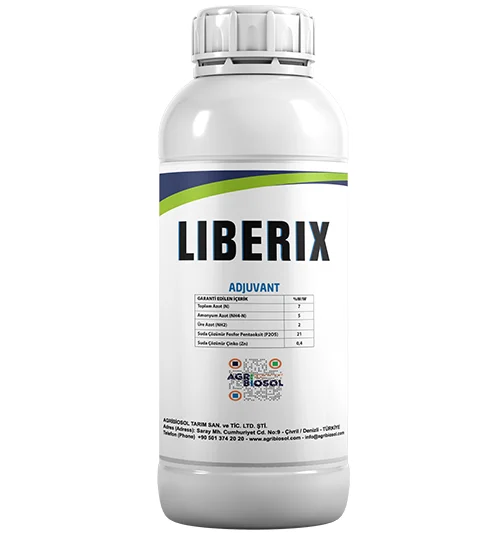
AgriBiosol is a foliar NPK fertiliser with trace elements: mode of action, 3-spray protocol (V6, VT, R3), dosage and field results on maize in Cameroon.
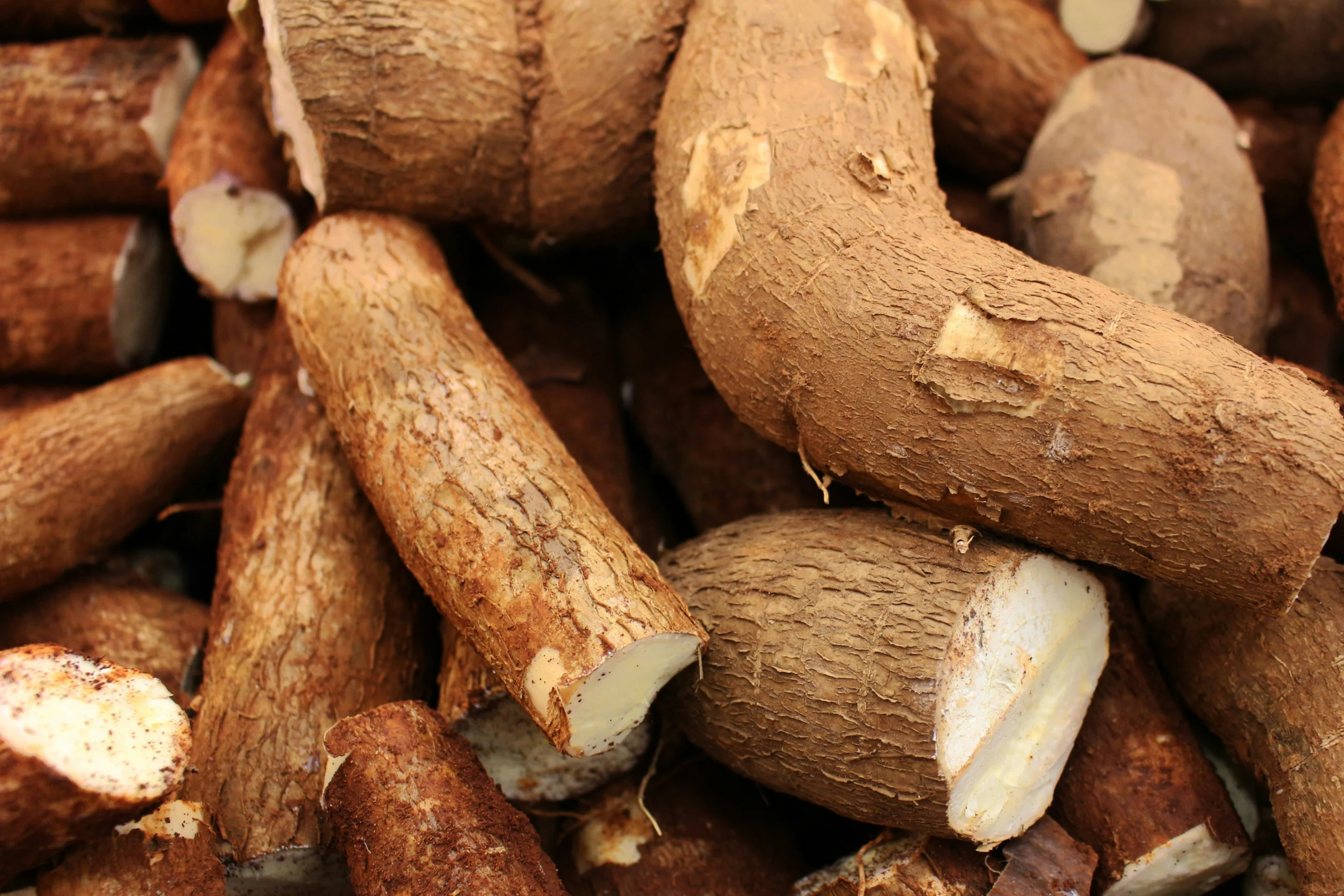
Complete 2026 guide to cassava farming in Africa: CNRA crop management sequence, yields of 20 to 30 t/ha, costs of 580K to 1M FCFA/ha, processing