Fertilization: NPK, Foliar and Organic Fertilizer Application

Practical guides for African growers

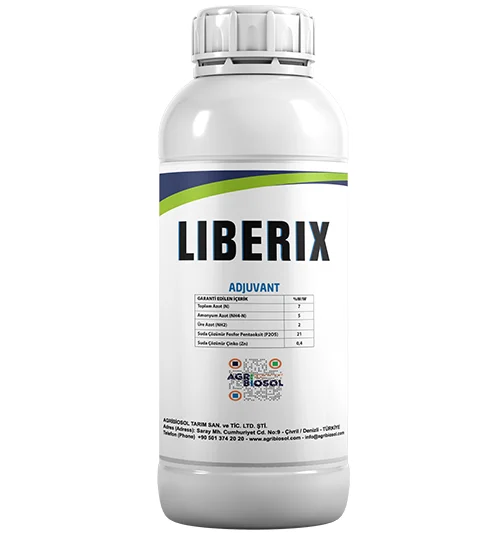
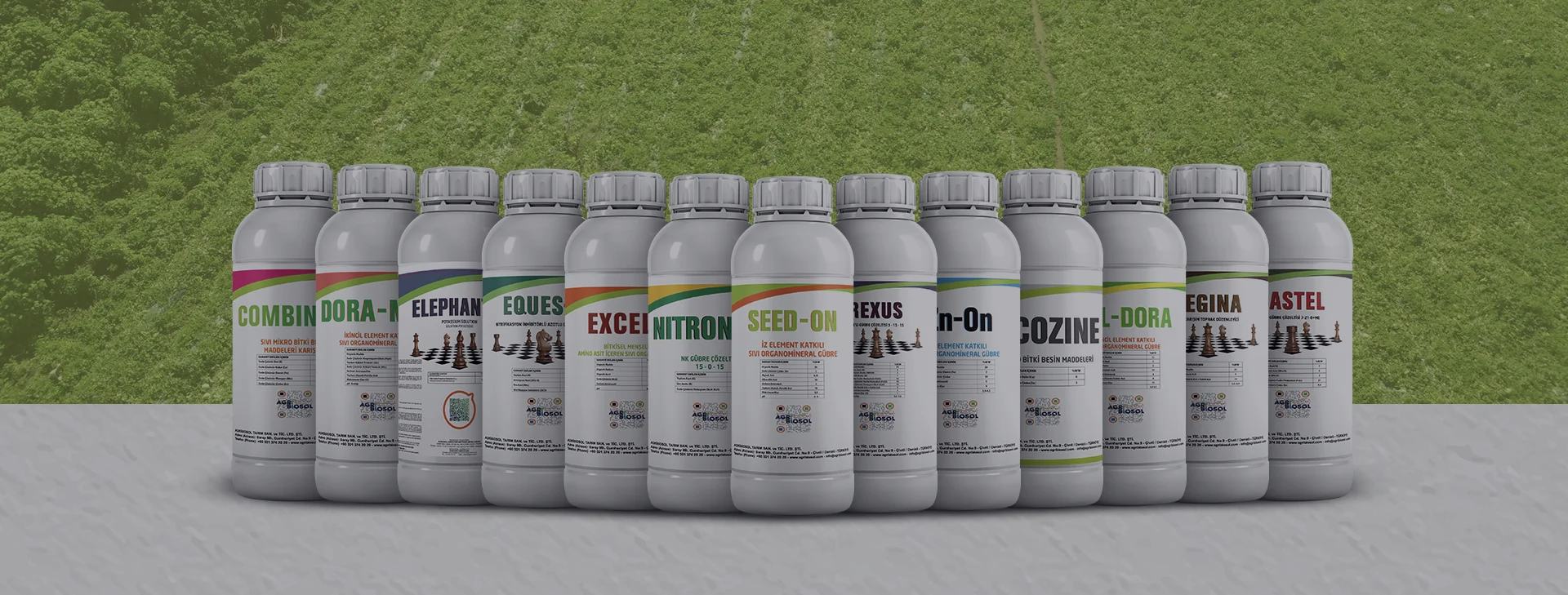
Correct fertilizer application is one of the fastest ways for African farmers to raise yields, provided the right nutrients reach the crop at the right time. This category brings together JOGOO guides on choosing an NPK fertilizer for each crop, combining it with organic fertilizer to build soil health, and using foliar fertilizer such as AgriBiosol to correct deficiencies and support flowering and fruit set.

Our fertilization guides

Equipment, inputs or technical support for this topic: see our solution Fertilization & Plant Nutrition.

Request a quote

Frequently asked questions

When should foliar fertilizer be applied?

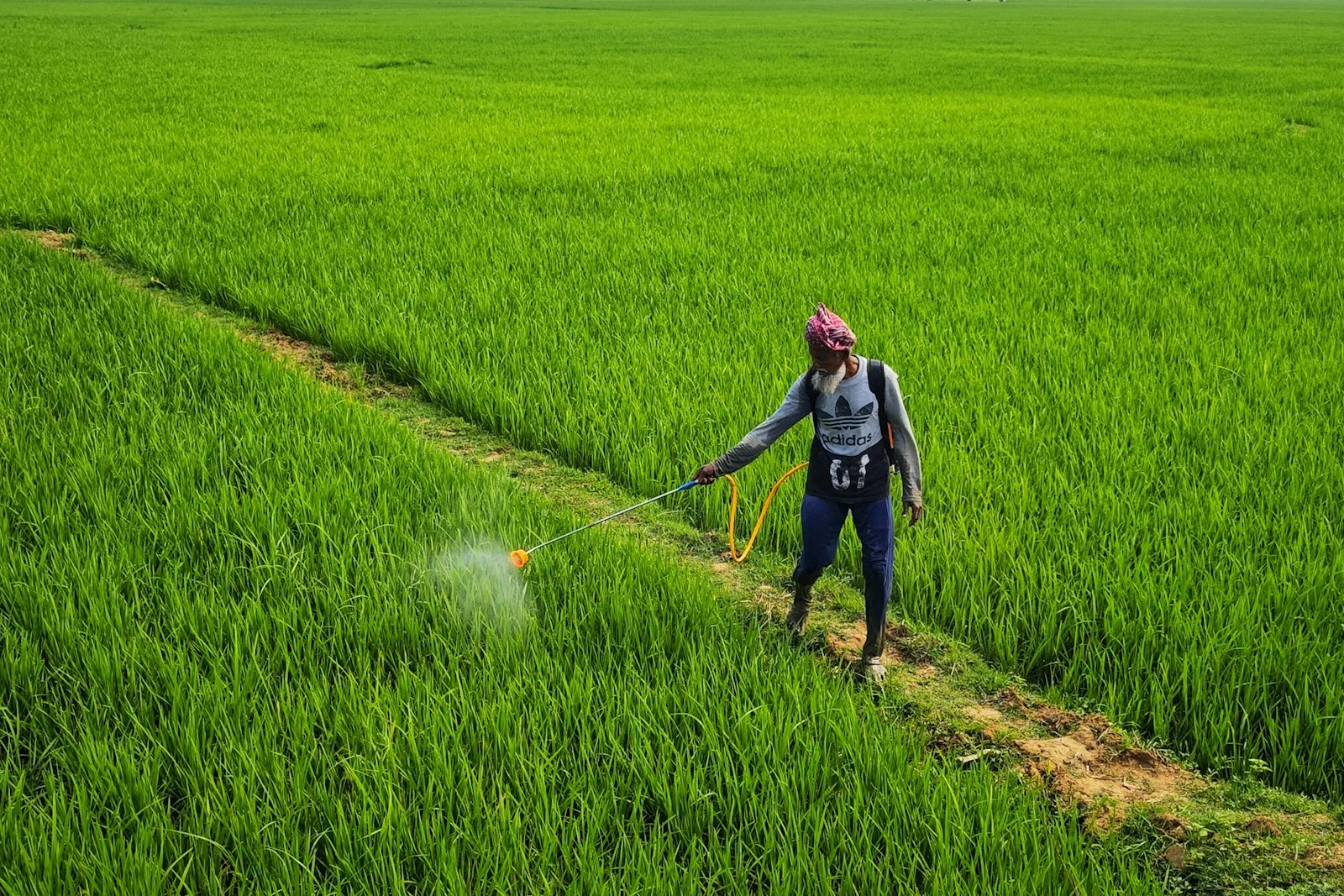
Apply foliar fertilizer early in the morning or late in the afternoon, when it is cool and leaves absorb nutrients best, and avoid strong sun, heat or rain forecast within a few hours. It works best at key stages such as early growth, before flowering and during fruit set, or to correct a visible deficiency quickly. Foliar feeding complements soil fertilization but does not replace it.

Which NPK fertilizer is best for maize?

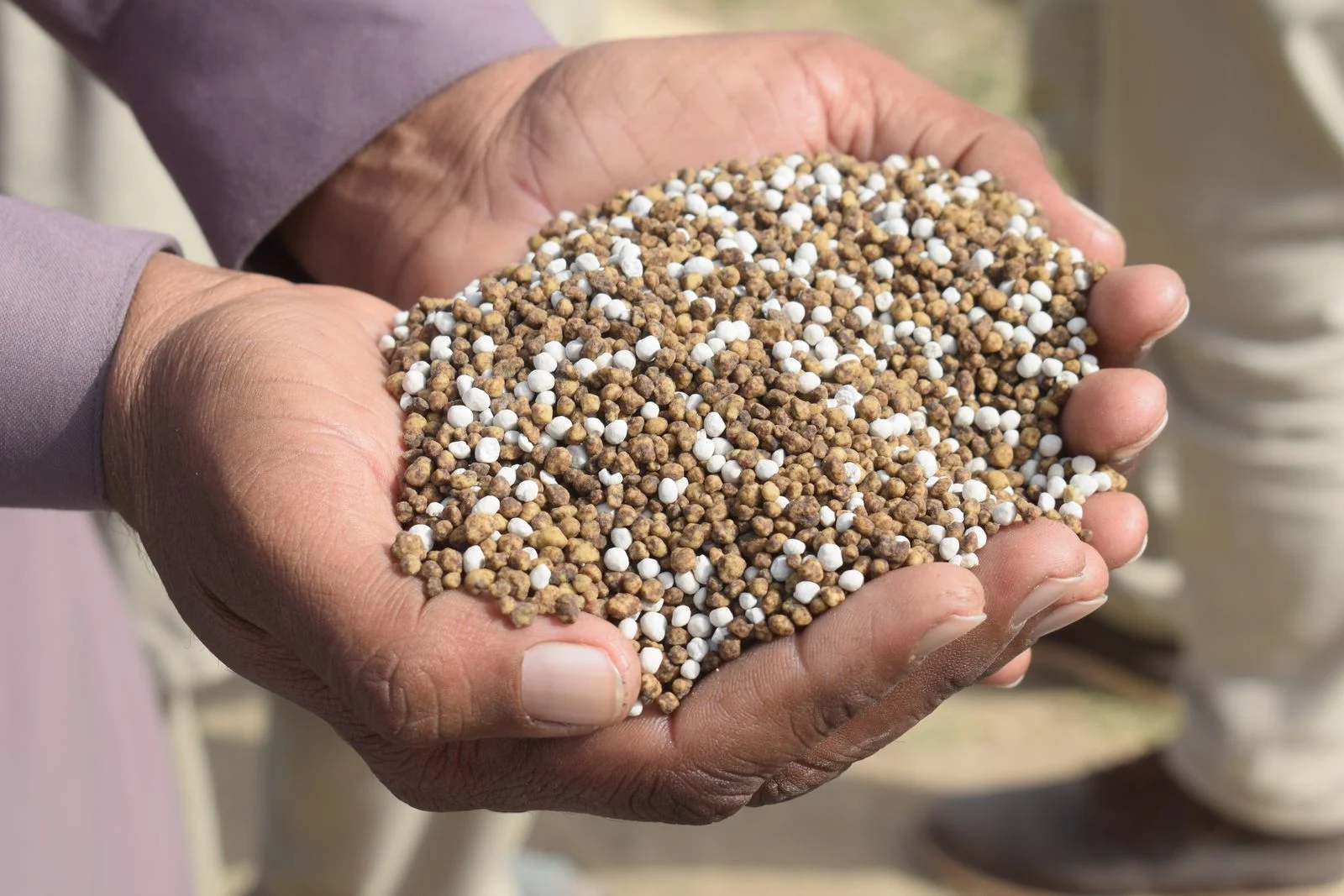
Maize needs a lot of nitrogen, plus phosphorus and potassium. A common approach is to apply a balanced NPK formula at planting, then topdress with a nitrogen fertilizer such as urea when the plants are knee high. The best formula depends on your soil, so a soil test is the most reliable guide. Follow local extension recommendations for rates in your zone.

Is organic fertilizer better than chemical fertilizer?

Neither is better in every case. Organic fertilizer improves soil structure, water holding and biological life, but releases nutrients slowly and in low amounts. Chemical fertilizer supplies precise nutrients quickly and corrects deficiencies, but used alone it does not build soil organic matter. Combining both usually gives the best results: organic matter for soil health and mineral fertilizer to meet crop demand.